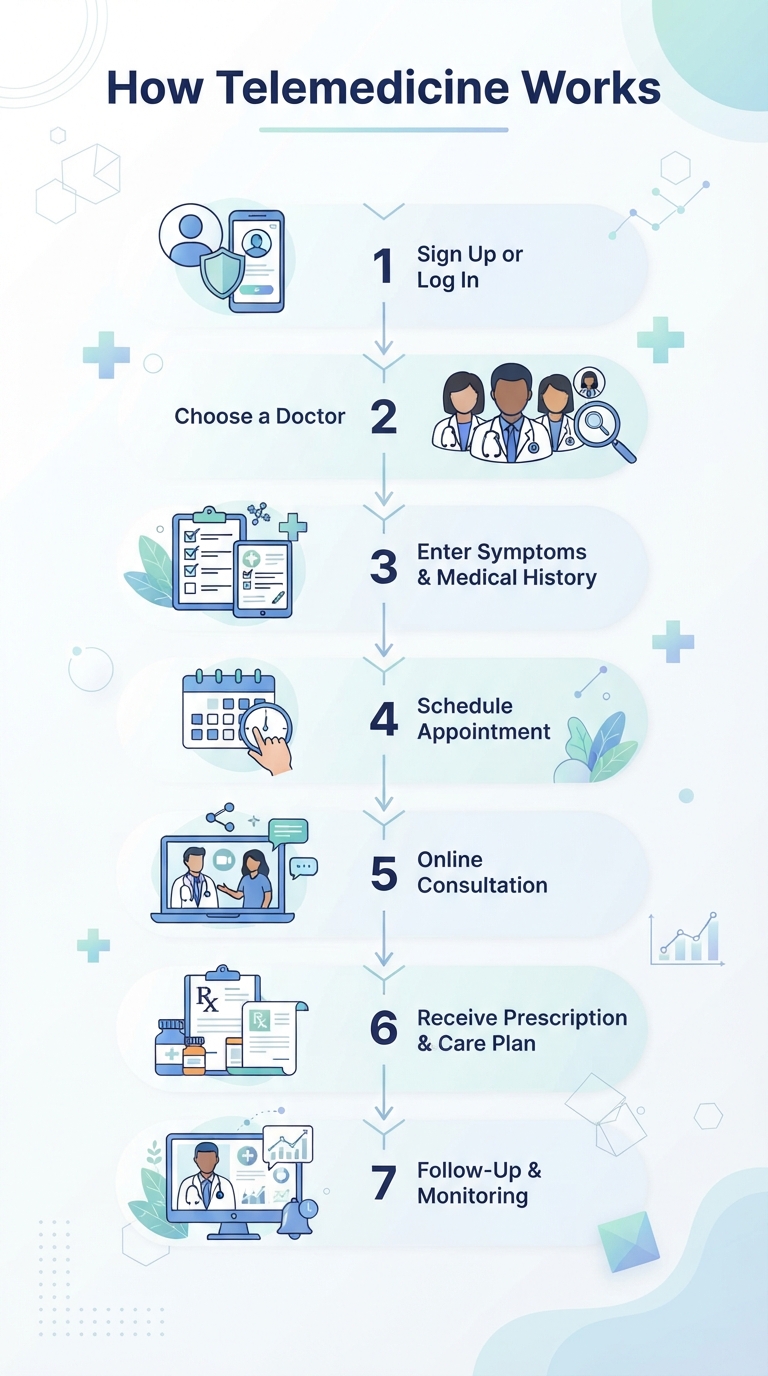
Telemedicine

Visit your doctor, get a consultation or a diagnosis, receive the treatment 

All through your mobile phone

Virtually

  Top Medical Specialists and Academic Professors 

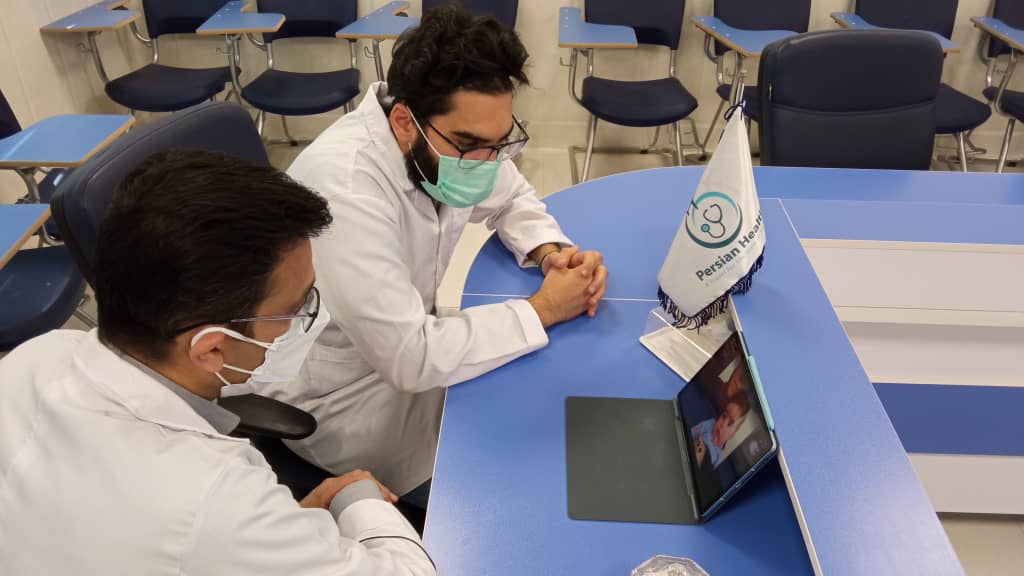
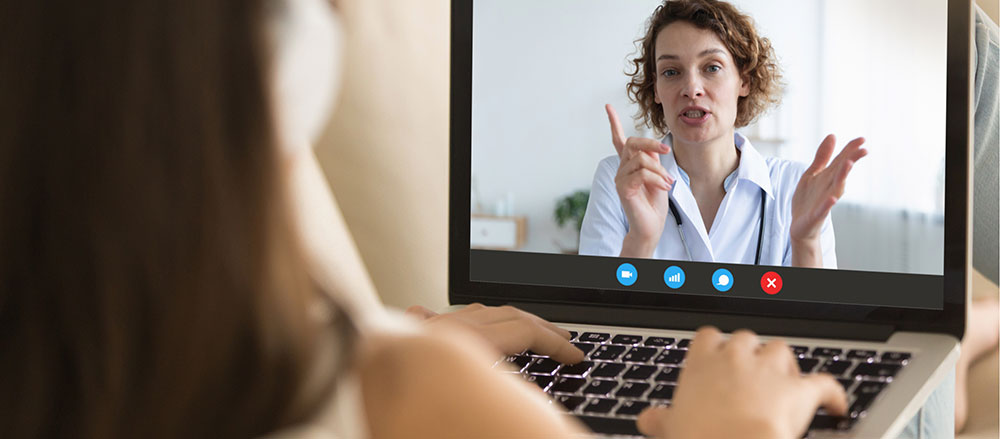
Direct Video Meeting, You Won’t Need to Leave your House

Real-Time Translation, You Can Speak in Any Language

24/7 Online Support By Our Medical Assistants

OUR TELEMEDICINE

See Our Medical Specialties and Submit Your Request Here

What Is Telemedicine?


The World Health Organization defines telemedicine, as “The delivery of health care services, where distance is a critical factor, by all health care professionals using information and communication technologies for the exchange of valid information for diagnosis, treatment and prevention of disease and injuries, research and evaluation, and for the continuing education of health care providers, all in the interests of advancing the health of individuals and their communities”.

But the definition of telemedicine is evolving each day, with the new information and communication technologies emerging.

Four elements are relevant to telemedicine:

1. Its purpose is to provide clinical support

2. It is intended to overcome geographical barriers, connecting users who are not in the same physical location

3.It involves the use of various types of information and communication technologies

4.Its goal is to improve health outcomes

Origins and History of Telemedicine

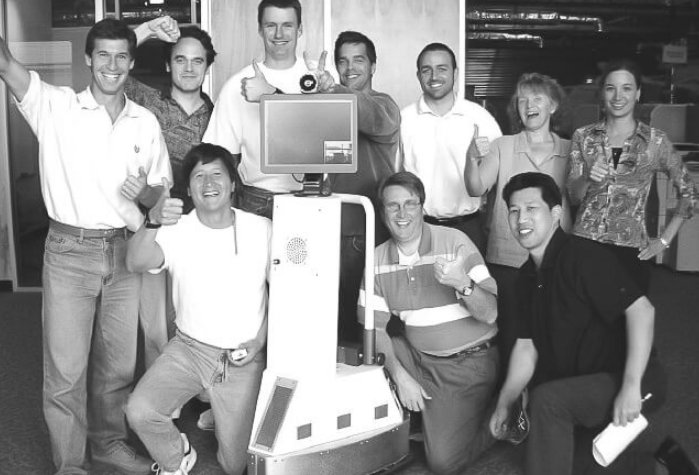
Historically, telemedicine dates back to the mid to late 19th century, with one of the first documented accounts occurring in the early 20th century when electrocardiograph data were transmitted using telephone wires. Telemedicine, in its modern form, started in the 1960s mostly driven by the military and space technology sectors, as well as a few individuals using readily available commercial equipment. Recent advances in information and communication technologies and their growing availability and usage by people across the globe have been the biggest drivers of telemedicine over the past decade, rapidly creating new possibilities for health care service and delivery. This has been true for developing countries and underserved areas of industrialized nations. The introduction and popularization of the Internet has further accelerated the pace of communication technologies advancements, and thus expanding the scope of telemedicine to encompass Web-based applications (e.g. e-mail, teleconsultations and conferences via the Internet) and multimedia approaches (e.g. digital imagery and video).

Types of Service Provided via Telemedicine

Telemedicine applications can be classified into two basic types, according to the timing of the information transmitted and the interaction between the individuals involved:

1.

Store-and-forward (asynchronous) telemedicine involves the exchange of pre-recorded data between two or more individuals at different times. For example, the patient or referring health professional sends an e-mail description of a medical case to an expert who later sends back an opinion regarding diagnosis and optimal management.

2.

Real time (synchronous) telemedicine requires the involved individuals to be simultaneously present for immediate exchange of information, as in the case of videoconferencing. In both synchronous and asynchronous telemedicine, relevant information may be transmitted in a variety of media, such as text, audio, video, or still images. These two basic approaches to telemedicine are applied to a wide array of services in diverse settings, including teledermatology, telepathology, and teleradiology.

Frequently Asked Questions (FAQs)

How long will it take for Persian Health to contact me and let me know of the televisit plan?

After you successfully submit the description of your condition via this page, our medical assistants will assess your described information and will choose a few highly-skilled medical specialists whose expertise best match your condition. This will take up to two days, and within this time (<48 hours) you will be contacted and informed about the terms and conditions of the service and your tele-visit plan.